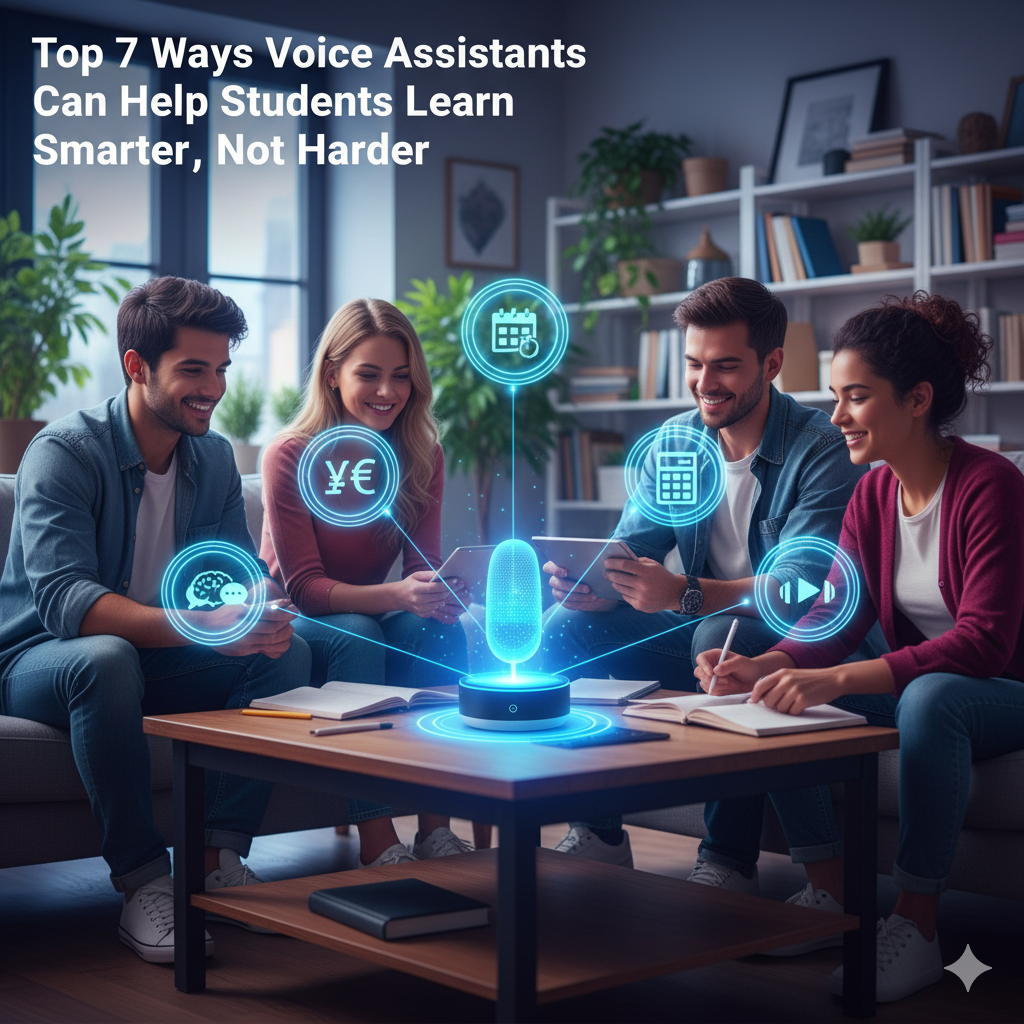
Technology is reshaping classrooms and self-learning experiences like never before. Among the most powerful tools, Voice AI Agents in Education are transforming how students engage with lessons, assignments, and even everyday study routines. Instead of memorizing harder, students now have opportunities to learn smarter with AI-driven voice assistants that make education more interactive, personalized, and accessible.
In this blog, we’ll explore seven practical ways voice assistants are helping students boost productivity, comprehension, and confidence in their learning journey.
1. Personalized Study Support
Voice AI tools can act like a 24/7 personal tutor, adapting explanations to a student’s learning pace. Whether it’s breaking down a tough math problem or explaining a history timeline, AI-powered voice assistants in education can tailor responses in simpler terms, ensuring no student feels left behind.
👉 Example: A student struggling with fractions can ask for repeated examples until they grasp the concept.
2. Boosting Accessibility for All Learners
For students with disabilities, voice technology in education is a game changer. Learners with visual impairments, dyslexia, or mobility challenges can access textbooks, assignments, or research material through voice-based learning agents instead of struggling with traditional methods.
👉 This inclusive approach ensures every student has equal access to knowledge.
3. Encouraging Active Learning
Unlike passive reading, voice assistants encourage interaction. Students can ask questions, receive instant clarifications, and engage in back-and-forth conversations that enhance understanding. This makes learning more dynamic, engaging, and fun.
👉 Voice AI can even quiz students on vocabulary, equations, or historical dates turning revision into an interactive activity.
4. Supporting Multilingual Learning
In a globalized education system, students often study subjects in a non-native language. Voice AI agents in classrooms can provide real-time translation, pronunciation guidance, and language practice, helping learners overcome language barriers and gain confidence in communication.
👉 For example, a Spanish-speaking student studying in English can practice pronunciation with a voice assistant before class presentations.
5. Improving Time Management & Study Habits
Voice assistants can act like a smart study planner—reminding students of deadlines, organizing study schedules, and setting focus timers. By automating reminders, students can focus on actual learning rather than worrying about organization.
👉 Think of it as a digital mentor keeping students on track without added stress.
6. Reducing Teacher Workload
Educators also benefit from Voice AI in education technology. Teachers can automate FAQs, schedule management, and even voice-based grading assistance. This frees up more time for personalized instruction and student engagement.
👉 When teachers spend less time on repetitive tasks, students get more focused guidance.
7. Preparing Students for the Future of Work
In an AI-driven world, learning how to interact with intelligent systems is a valuable skill. Students who use voice-based AI in education gain early exposure to technology that mirrors tools used in higher education and workplaces.
👉 By building digital confidence early, students are future-ready for careers where AI collaboration is the norm.
Final Thoughts
Voice assistants are no longer just for setting alarms or playing music—they are becoming intelligent study partners. By making learning interactive, inclusive, and personalized, Voice AI Agents in Education empower students to study smarter, not harder.
As classrooms continue to evolve, embracing these tools can help students and educators unlock new levels of learning success.