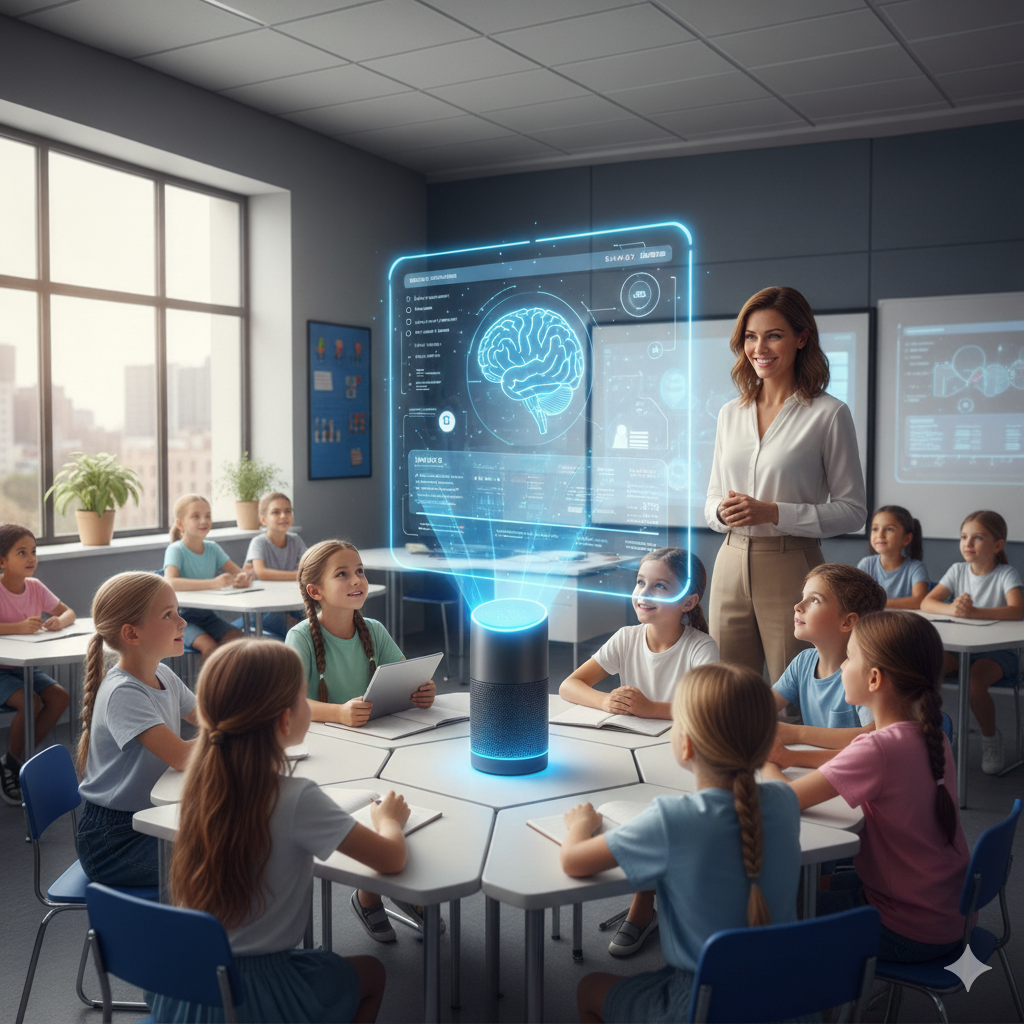
The classroom of the future is not just about smartboards and tablets voice agents are revolutionizing the way students learn, teachers teach, and schools operate. These AI-powered assistants are no longer limited to playing music or setting reminders they are becoming integral learning tools, helping students grasp concepts faster, engage more deeply, and access personalized support anytime, anywhere.
In this blog, we explore how voice agents are transforming classrooms and shaping the future of education.
1. Personalized Learning for Every Student
Every student has a unique learning style. Voice AI agents in classrooms can tailor lessons to individual needs, whether a student requires extra practice in math, prefers audio explanations in science, or needs step-by-step guidance in language learning.
👉 Example: A student struggling with chemistry formulas can ask the voice agent to explain them repeatedly until they fully understand.
2. Enhancing Accessibility and Inclusion
Students with disabilities benefit immensely from voice technology. Learners with visual impairments, dyslexia, or mobility challenges can access voice-based educational tools to read textbooks, complete assignments, and participate in interactive lessons without barriers.
👉 Voice agents ensure that learning is inclusive, equitable, and accessible to all students.
3. Encouraging Interactive Learning
Traditional lectures can sometimes feel passive. With voice agents in education, students can actively interact, ask questions, and receive instant answers. This dynamic approach improves engagement, retention, and curiosity.
👉 Example: Students can practice new vocabulary or historical facts through voice-based quizzes and interactive exercises.
4. Supporting Multilingual Classrooms
In diverse classrooms, students may learn in a language that is not their first. Voice agents can provide real-time translation, pronunciation guidance, and language exercises, making it easier for students to keep up with lessons and feel confident in communication.
👉 This helps schools provide multilingual support without extra staffing resources.
5. Streamlining Administrative Tasks
Teachers spend hours on administrative tasks, leaving less time for instruction. Voice AI in classrooms can handle scheduling, reminders, and even grading assistance, freeing educators to focus on teaching and mentoring students.
👉 Voice agents act as virtual teaching assistants, improving productivity for both teachers and students.
6. Encouraging Self-Paced Learning
Not all students learn at the same pace. Voice assistants enable self-paced learning, allowing students to review lessons, practice exercises, or explore topics on their own schedule.
👉 Students can ask a voice agent to repeat lessons, explain concepts differently, or provide additional examples, making learning flexible and stress-free.
7. Preparing Students for the Future
AI is rapidly becoming part of the modern workplace. Students who interact with voice agents in education develop digital literacy skills, critical thinking, and familiarity with AI-driven tools skills that will be crucial for higher education and future careers.
👉 By using voice agents in classrooms, schools are preparing students to thrive in an AI-powered world.
Final Thoughts
Voice agents are more than just assistants they are game-changers in modern education. From personalized learning and accessibility to administrative support and future skill development, AI-powered voice technology is reshaping classrooms and creating a smarter, more inclusive learning environment for students worldwide.
Check Out➡ Voice agents in education administration