Artificial intelligence is rapidly reshaping the healthcare industry and voice-driven AI systems are proving to be some of the most powerful tools in this transformation. Platforms like Vozzo AI are helping hospitals, clinics, and telehealth providers automate communication, streamline operations, and create smoother, more personal experiences for patients.
But adopting voice AI in healthcare isn’t just about adding another digital solution, it’s about integrating natural, human-like communication into critical workflows. Here’s how healthcare organizations can successfully bring Vozzo AI voice agents into their systems.
Why Healthcare Needs Voice AI
Communication is one of the biggest challenges in healthcare. Phone lines are often busy, patients struggle to reach the right department, and administrative teams spend countless hours handling repetitive calls.
A Vozzo AI Voice Agent for Healthcare can take on many of these tasks, responding naturally and instantly to patient needs. Unlike traditional chatbots, Vozzo’s agents are built for real-time, human-like conversations. They can answer questions, schedule and confirm appointments, send reminders, and even collect feedback — all without human intervention.
The benefits are clear:
- 24/7 availability: Patients can reach out anytime, reducing missed calls and long wait times.
- Consistency and accuracy: AI ensures uniform, error-free responses every time.
- Reduced staff workload: Teams can focus on patient care while AI handles repetitive communication.
- Better patient experience: Quick, natural voice interactions feel friendlier and more personal.
With multilingual support and advanced speech recognition, Vozzo AI is especially valuable in diverse regions like India, where patients speak many different languages and accents.
1. Identify the Right Use Cases
Start by pinpointing where voice AI can have the biggest impact. Good starting points include:
- Appointment scheduling and reminders
- Prescription refill notifications
- Post-discharge follow-ups
- Patient satisfaction surveys
- Pre-visit screenings or symptom checks
Begin with high-volume, low-risk tasks to demonstrate value quickly while minimizing disruption to existing workflows.
2. Prioritize Privacy and Compliance
Patient data privacy is non-negotiable. Before deployment, make sure Vozzo AI is configured to comply with healthcare regulations like HIPAA (in the U.S.) or GDPR (in Europe). Robust encryption, access controls, and data management policies are essential.
Always be transparent inform patients when they’re speaking with an AI system and obtain consent if their voice data is being stored or analyzed.
3. Design Empathetic Conversations
Even though it’s automated, healthcare communication must remain compassionate and human. Work with clinicians and communication specialists to design conversation flows that sound empathetic and reassuring.
Good voice AI scripting should include:
- Simple, patient-friendly language
- Natural pauses and confirmation prompts
- Clear escalation options (e.g., “Would you like me to connect you with a nurse?”)
This balance of automation and empathy helps build trust with patients.
4. Integrate with Existing Systems
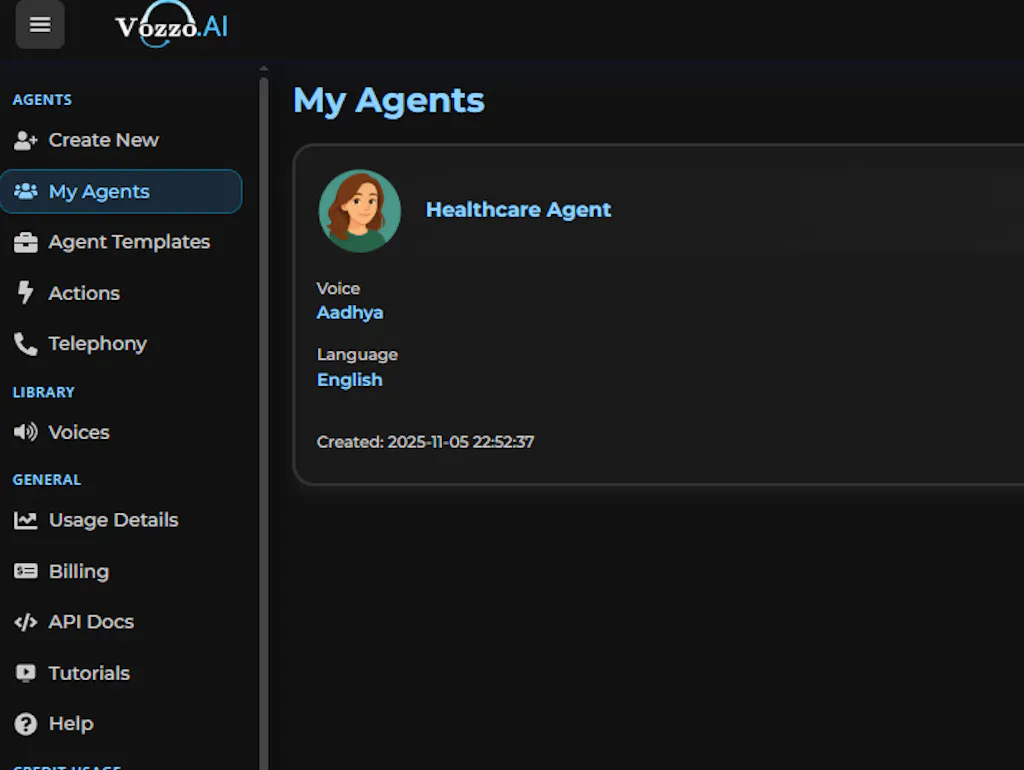
Vozzo AI offers API integrations that connect seamlessly with existing systems like electronic medical records (EMRs), scheduling platforms, or hospital CRMs. This ensures the AI doesn’t just “talk” — it takes action.
For example, if a patient books an appointment through the AI, the system can automatically update the hospital’s scheduling database and send a confirmation message. This kind of integration eliminates manual steps and reduces errors.
5. Test, Pilot, and Scale
Before rolling out Vozzo AI across your entire organization, start with a pilot program — for instance, in outpatient appointment booking. Track key metrics such as:
- Accuracy in understanding patient requests
- Completion rate of calls without human intervention
- Patient satisfaction and feedback
Use these insights to refine scripts, improve AI understanding, and optimize workflows. Once performance is consistent and reliable, scale the system across departments and expand to new use cases.
The Future of Voice AI in Healthcare
Voice AI is more than a productivity tool, it’s a bridge between patients and care providers. By making communication faster, more natural, and more accessible, platforms like Vozzo AI are helping healthcare organizations create more connected, compassionate patient experiences.
In an industry where every interaction matters, human-like voice automation isn’t just the future, it’s the next step toward smarter, patient-centered care.
➡ Sign Up Now